The Silent Damage Diabetes Causes to Your Vision
Diabetes affects much more than blood sugar levels. Over time, consistently elevated blood glucose can affect the tiny blood vessels that supply different parts of the body, including the retina. Because early retinal damage may occur without noticeable symptoms, people with diabetes can sometimes have eye problems without realizing it.
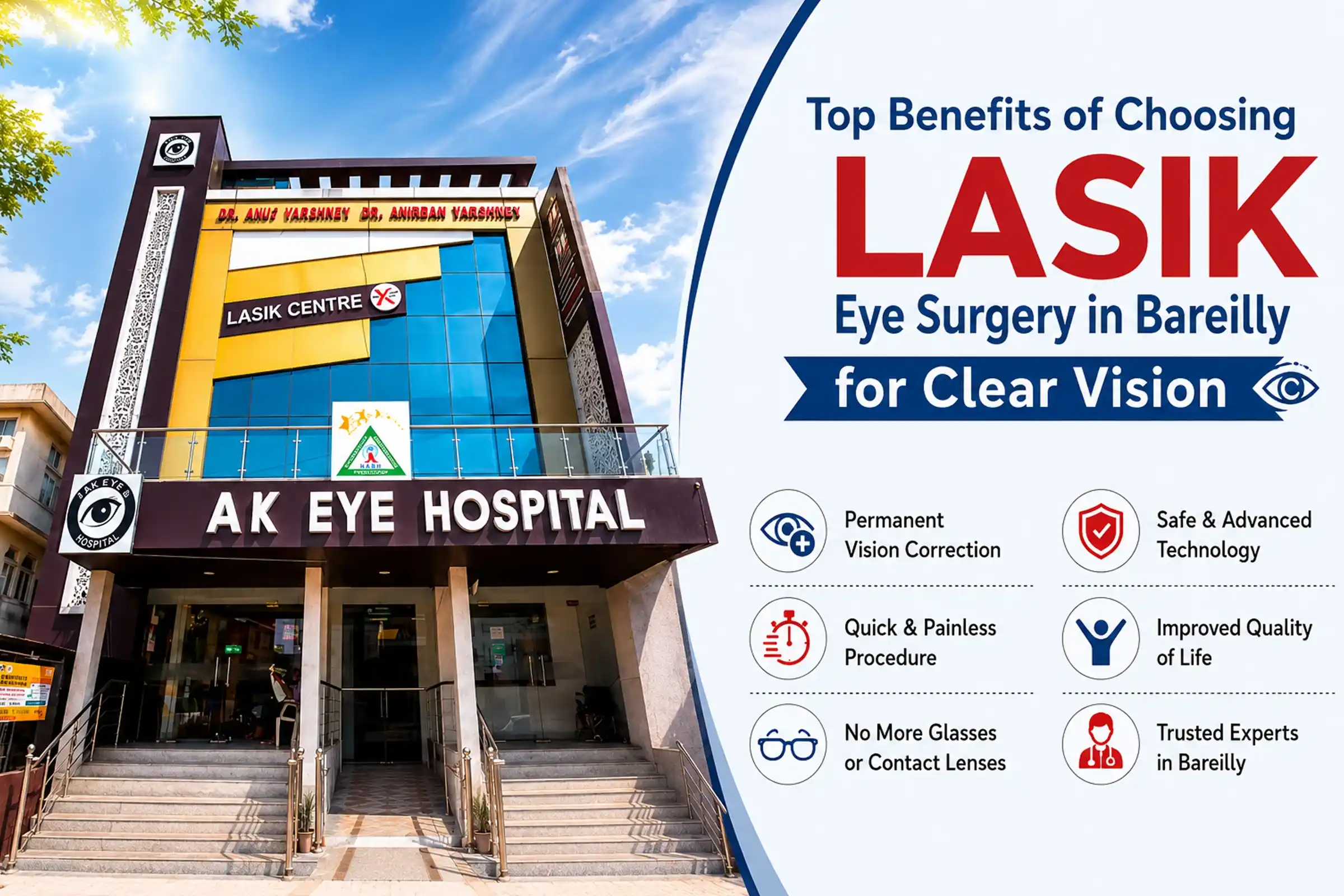
Regular retinal evaluation is therefore an important part of diabetes management. At AK Eye Hospital, retina services include management of diabetic retinopathy and other retinal conditions, with Dr. Anirban Tarafdar providing specialized retina care.
How Diabetes Affects the Retina
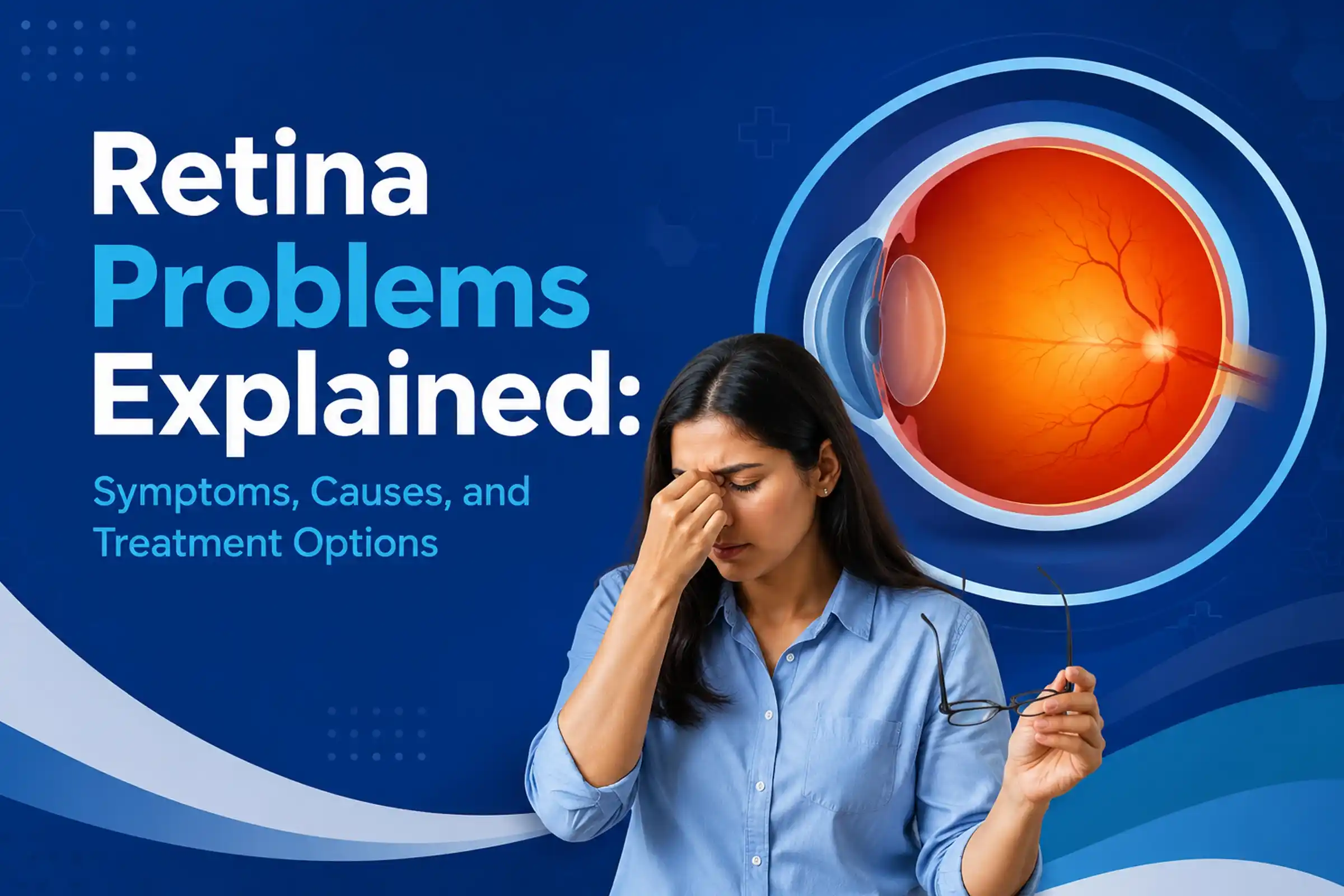
The retina is the light-sensitive tissue at the back of the eye. It converts light into signals that are sent to the brain, allowing us to see.
Diabetes can damage the small blood vessels supplying the retina. This condition is known as diabetic retinopathy. In its early stages, a person may have little or no change in vision. As the condition progresses, however, abnormal blood vessels, bleeding, swelling, or other retinal changes may threaten sight.
Why Diabetic Eye Damage Can Go Unnoticed
One of the biggest challenges with diabetic eye disease is that symptoms may not appear when the damage begins.
A person may continue reading, working, and carrying out normal activities while retinal changes are developing. This can create a false sense that the eyes are healthy simply because vision feels normal.
Regular examinations allow an ophthalmologist to look at the retina and identify changes that may not yet be noticeable to the patient.
Symptoms That Should Not Be Ignored
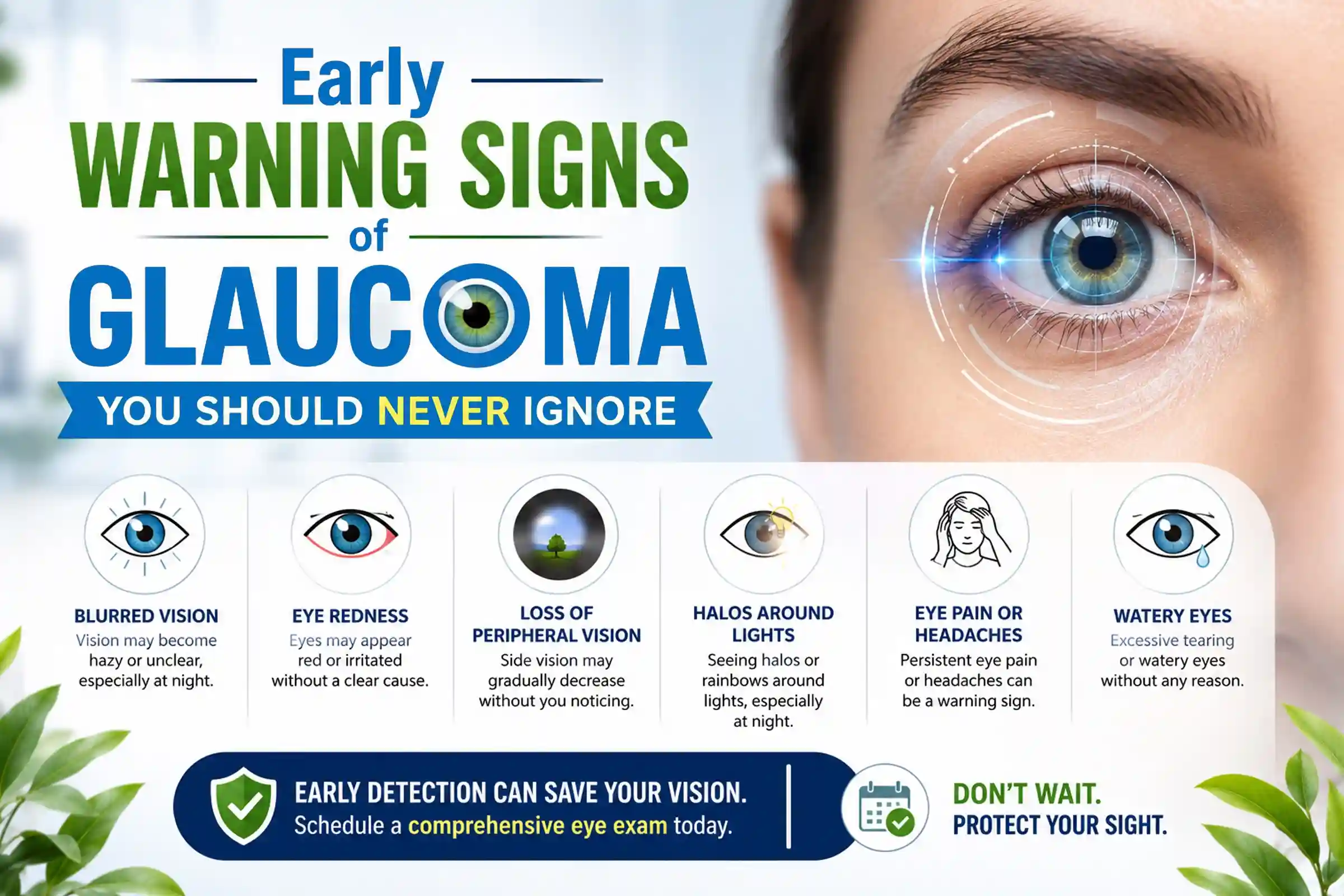
Although diabetic retinal disease can be silent, vision changes should always be taken seriously. Symptoms may include:
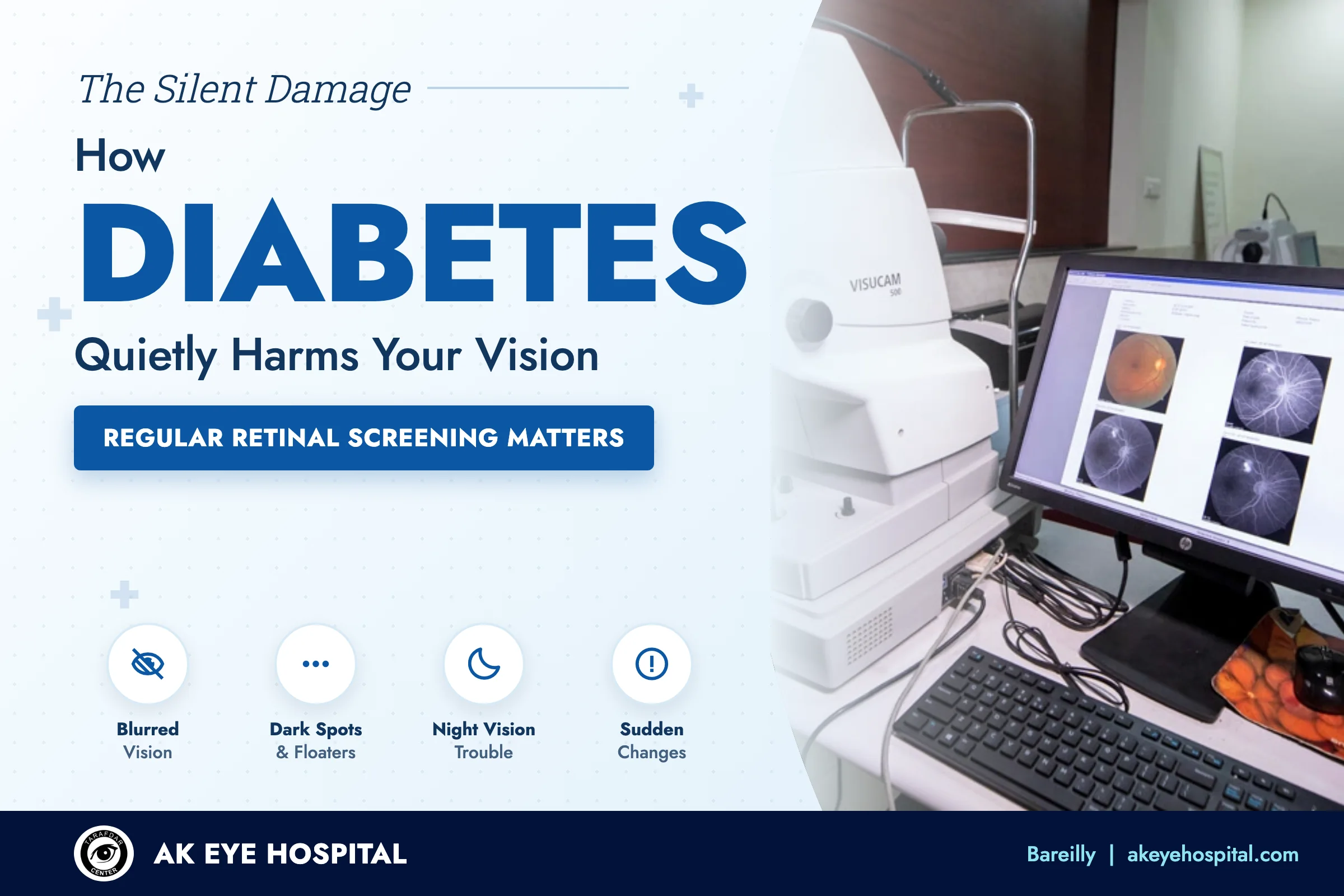
- Blurred or fluctuating vision
- Dark spots or floaters
- Difficulty seeing at night
- Sudden changes in vision
- Areas of missing or distorted vision
Sudden or significant vision changes require prompt medical attention.
Blood Sugar Control Matters
Managing diabetes is an important part of protecting long-term eye health. Patients should follow the treatment plan recommended by their physician and monitor blood glucose as advised.
Blood pressure and cholesterol management may also be important because vascular health plays a role in the development and progression of diabetic complications.
However, good blood sugar control does not mean eye examinations can be skipped. Retinal disease can still occur, which is why regular ophthalmic monitoring remains important.
Why Retinal Screening Matters
A comprehensive retinal examination can help identify diabetic changes before they become visually significant. Depending on the patient's condition, the ophthalmologist may recommend additional investigations or monitoring.
AK Eye Hospital provides specialized retina services for conditions including diabetic retinopathy, retinal detachment, macular disorders, and other retinal diseases.
Dr. Anirban Tarafdar holds DNB, FICO and FRCS qualifications and has specialized training in medical retina and lasers for diabetic retinopathy.
Can Diabetic Eye Damage Be Treated?
Treatment depends on the type and stage of retinal disease. Depending on the individual case, doctors may recommend observation, medication-based treatment, laser procedures, or surgery.
The important point is that treatment should be individualized. Not every person with diabetic retinopathy requires the same intervention.
Early detection can provide more opportunities to manage the condition before serious vision loss occurs.
Protecting Your Vision When You Have Diabetes
People living with diabetes should consider eye examinations part of their overall health routine. Do not wait for blurred vision or other symptoms before getting your eyes checked.
Along with controlling diabetes, attending scheduled retinal examinations and promptly reporting changes in vision can help protect eyesight.
If you are looking for the Best Eye Hospital in Bareilly for comprehensive retinal evaluation, AK Eye Hospital offers specialized retina care and modern diagnostic and treatment facilities.
With the guidance of specialists such as Dr. Anirban Tarafdar, patients can receive appropriate evaluation and treatment based on the condition of their retina.