Contact Lens Habits That Could Permanently Damage Your Cornea
Contact lenses can provide convenient vision correction without glasses, but they require careful handling. Because a contact lens sits directly on the surface of the eye, poor hygiene or improper use can increase the risk of irritation, infection, and corneal complications.
Some contact lens mistakes may seem harmless at first, but repeated poor habits can put the health of the cornea at risk. Understanding these mistakes is important for anyone who regularly wears contact lenses.
Sleeping With Contact Lenses
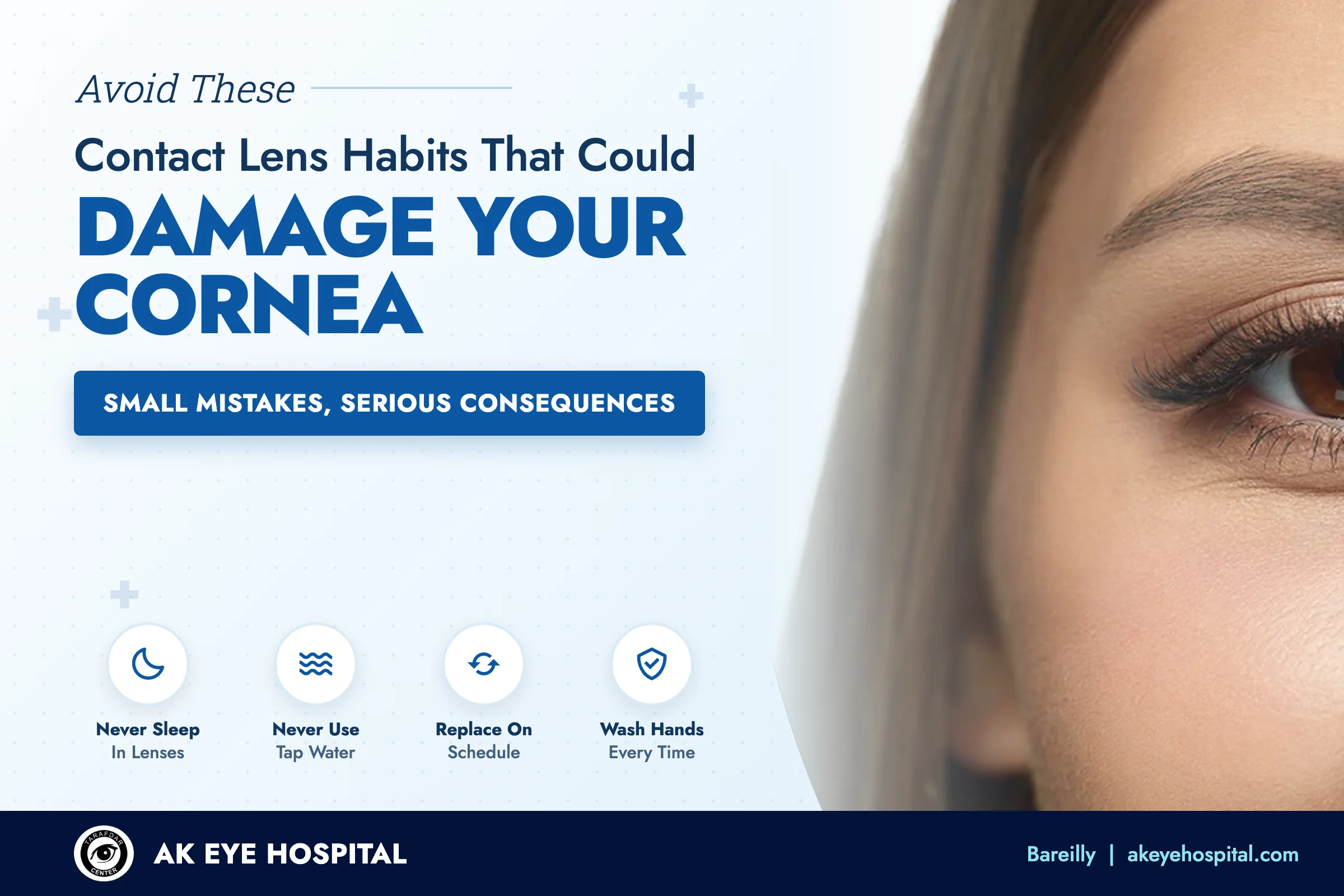
One of the most important habits to avoid is sleeping in contact lenses unless specifically advised that the particular lenses are designed and approved for extended wear by an eye-care professional.
Keeping lenses in the eyes for prolonged periods can reduce oxygen availability to the cornea and may increase the risk of complications. If your eyes become uncomfortable or red after wearing lenses, remove them and seek professional advice if symptoms persist.
Washing Lenses With Tap Water
Contact lenses should not be cleaned or stored using tap water. Water can contain microorganisms that may cause serious eye infections.
Contact lens wearers should follow the cleaning and storage instructions provided for their specific lens and lens-care solution. Never substitute homemade solutions or water for recommended products.
Wearing Lenses for Too Long
Every contact lens has a recommended replacement schedule. Some are daily disposable lenses, while others are designed for longer periods of use.
Continuing to wear lenses beyond their recommended replacement period can lead to deposits and other problems that may affect comfort and eye health.
Replacing lenses according to the prescribed schedule is a simple but important part of responsible contact lens care.
Touching Lenses With Unwashed Hands
Your hands come into contact with countless surfaces throughout the day. Handling contact lenses without properly washing and drying your hands can transfer microorganisms to the lens and then to the eye.
Always wash and dry your hands before inserting or removing contact lenses.
Ignoring Redness or Pain
Mild discomfort should not automatically be dismissed as something normal. Persistent redness, pain, excessive watering, sensitivity to light, discharge, or sudden blurred vision may indicate a problem requiring professional evaluation.
Continuing to wear lenses despite significant symptoms can potentially worsen an eye condition.
Sharing Contact Lenses Is Never Safe
Contact lenses are personal medical devices and should never be shared. Even if two people have the same prescription, their lenses are not interchangeable.
Sharing lenses can transfer microorganisms and increase the risk of infection.
Your Cornea Deserves Care
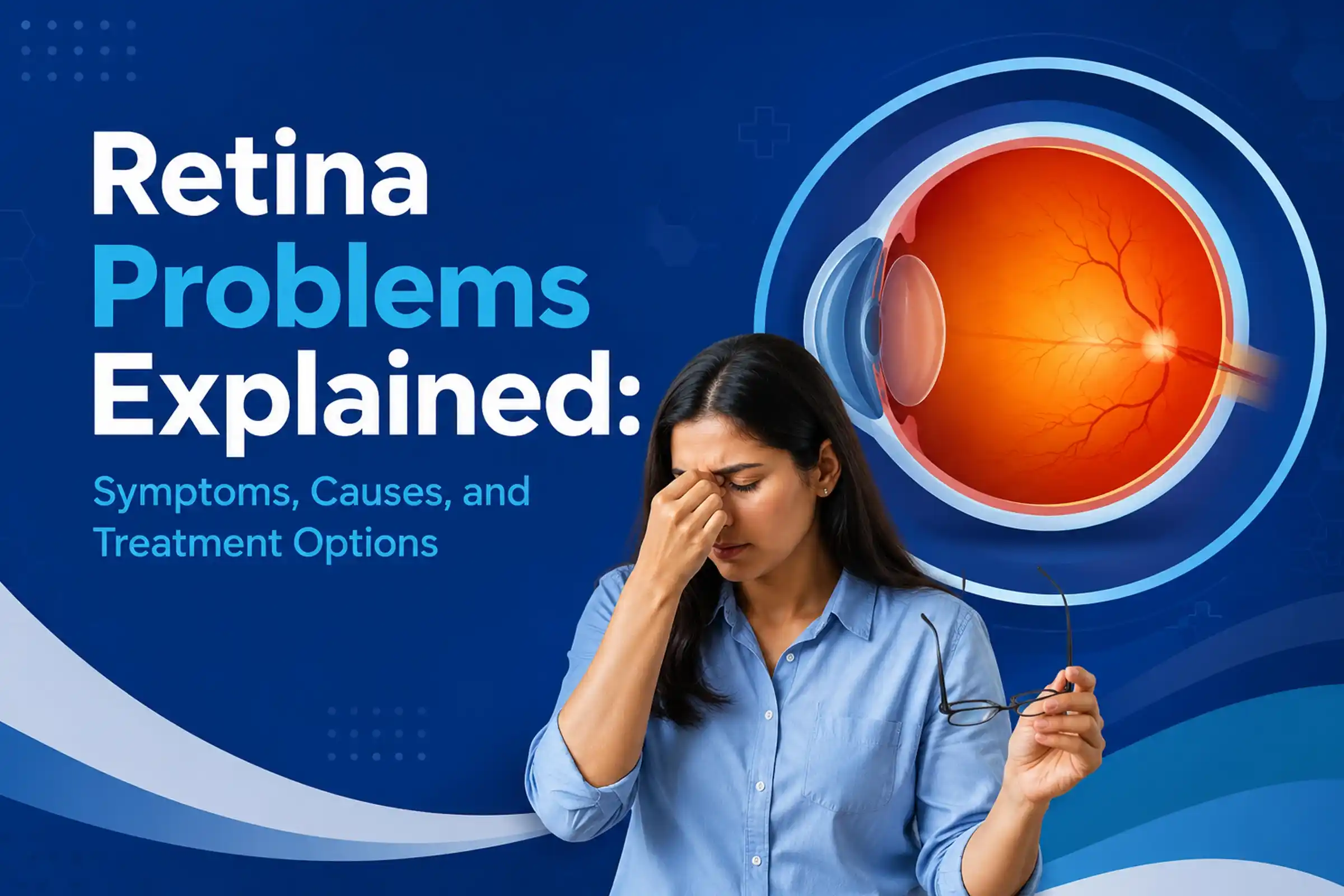
The cornea plays a critical role in focusing light into the eye. Conditions affecting the cornea can interfere significantly with vision.
AK Eye Hospital has a dedicated cornea clinic that manages corneal and ocular surface conditions. Its services include treatment for conditions such as keratoconus, dry eye, corneal injuries, and other corneal disorders.
The hospital also uses specialized diagnostic equipment for evaluating ocular surface problems and dry eye conditions.
What Should Contact Lens Wearers Do?
Good contact lens hygiene is largely about consistency. Wash your hands, follow the recommended replacement schedule, use the correct lens-care products, avoid sleeping in lenses unless specifically approved, and never use water to clean or store lenses.
If contact lenses repeatedly cause discomfort despite proper use, consult an eye specialist. Another form of vision correction may be more suitable depending on your eye health and prescription.
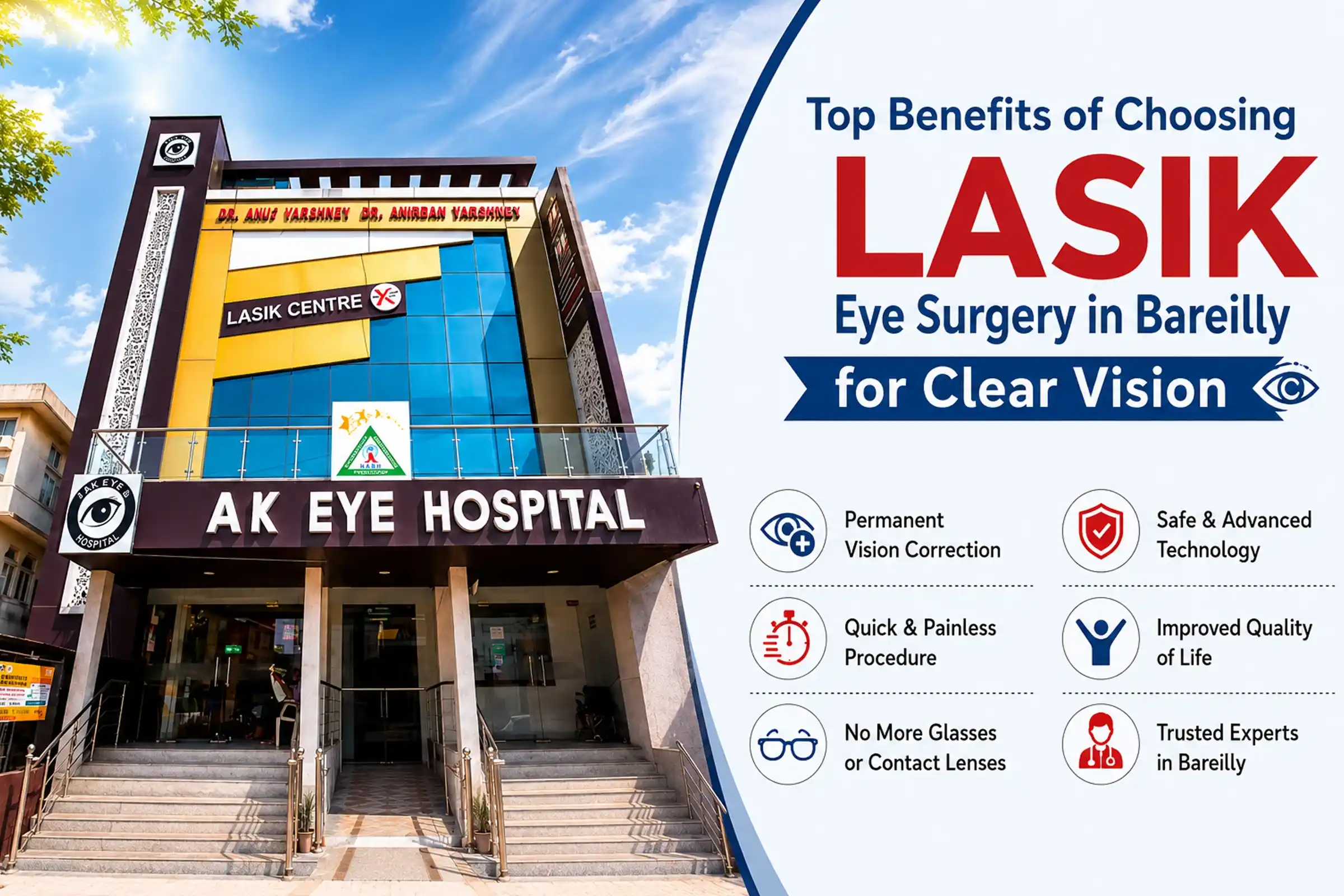
For patients who are considering alternatives to contact lenses, an ophthalmologist can discuss options such as glasses or, for suitable candidates, laser vision correction. AK Eye Hospital provides refractive and LASIK services as part of its comprehensive eye-care offerings.
Final Thoughts
Contact lenses can be safe and convenient when used correctly, but careless habits can put the cornea and overall eye health at risk. Never ignore persistent discomfort, redness, or vision changes.
If you need a comprehensive eye evaluation, AK Eye Hospital, recognized as the Best Eye Hospital in Bareilly , provides specialized services covering cornea, dry eye, retina, glaucoma, cataract, and refractive care.
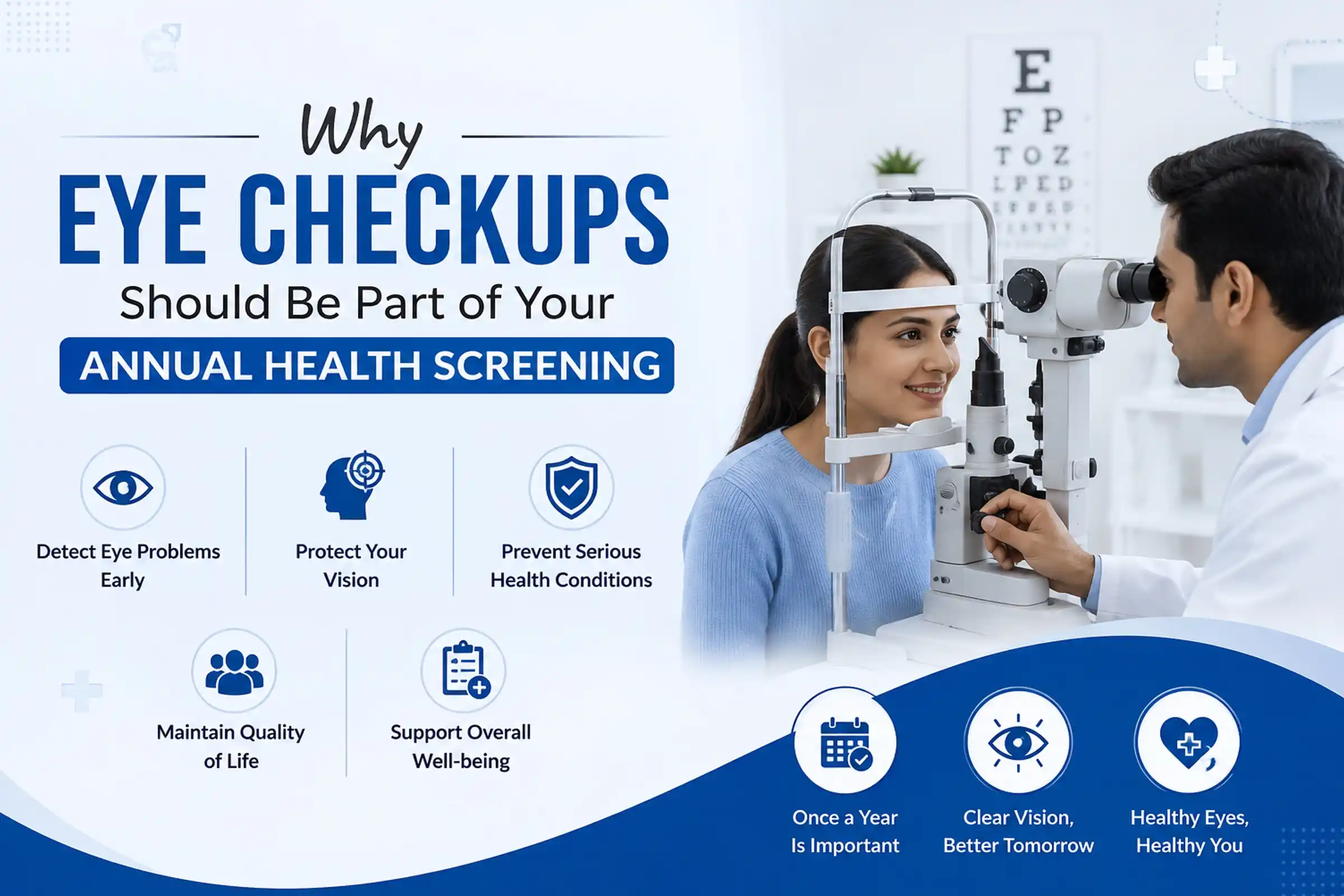
A routine consultation can help identify problems early and ensure that your choice of vision correction remains appropriate for your eyes.