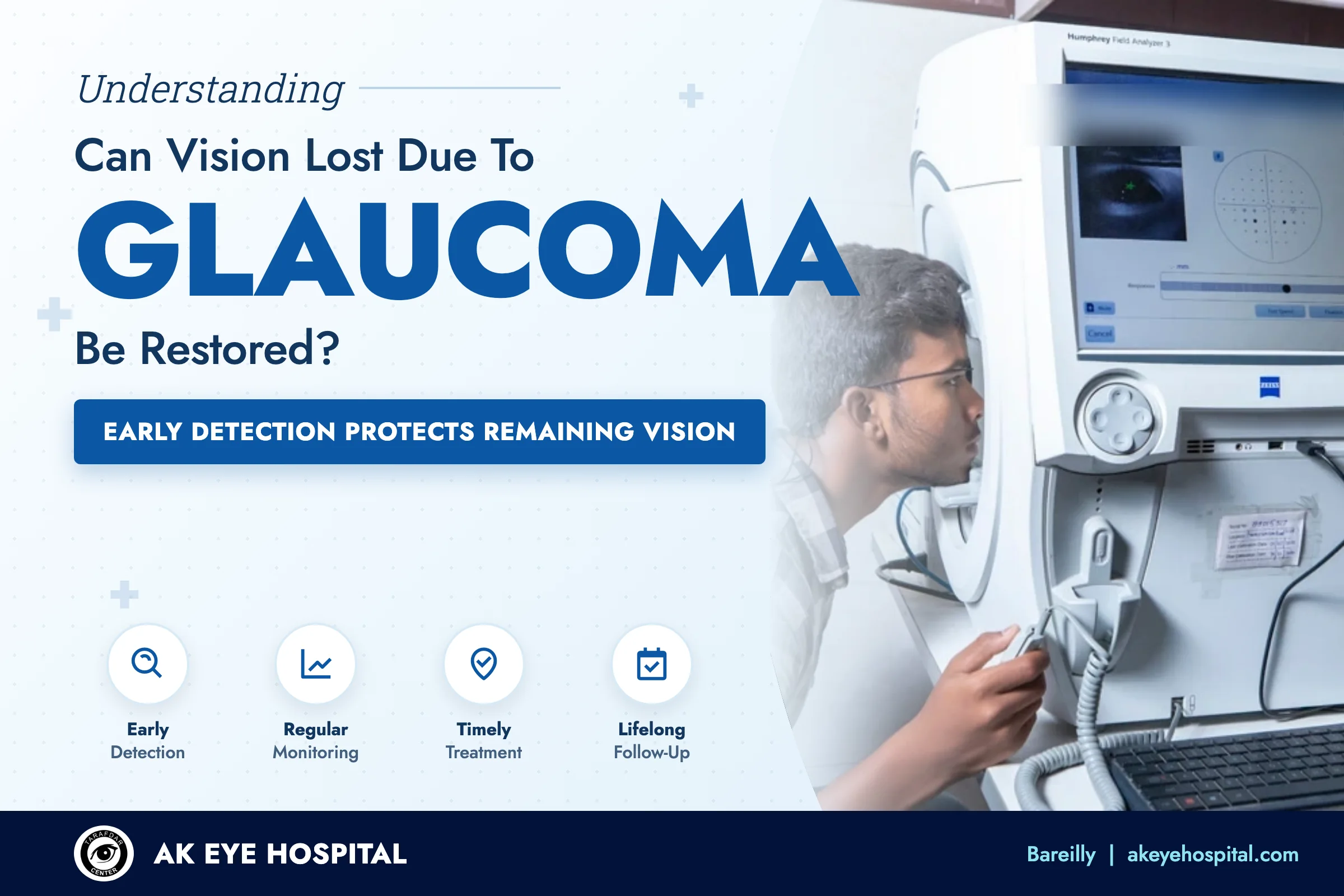
Can Vision Lost Due to Glaucoma Be Restored?
Glaucoma is often called a "silent" eye disease because it can progress without obvious symptoms in its early stages. By the time a person notices significant vision changes, the optic nerve may already have suffered damage. This raises an important question: Can vision lost due to glaucoma be restored?
The answer depends on what is meant by vision loss. Glaucoma treatment is primarily aimed at protecting the remaining vision and preventing or slowing further damage. Once optic nerve fibers have been permanently damaged by glaucoma, current treatments cannot simply restore those lost fibers.
Understanding Glaucoma
Glaucoma refers to a group of eye diseases that can damage the optic nerve, which carries visual information from the eye to the brain.
Elevated eye pressure is an important risk factor for many types of glaucoma, but glaucoma can occur even when eye pressure is not obviously high. This is why measuring eye pressure alone is not enough to determine whether someone has glaucoma.
A comprehensive glaucoma assessment may include evaluation of the optic nerve, visual field, eye pressure, cornea, and other structures.
Why Early Detection Matters
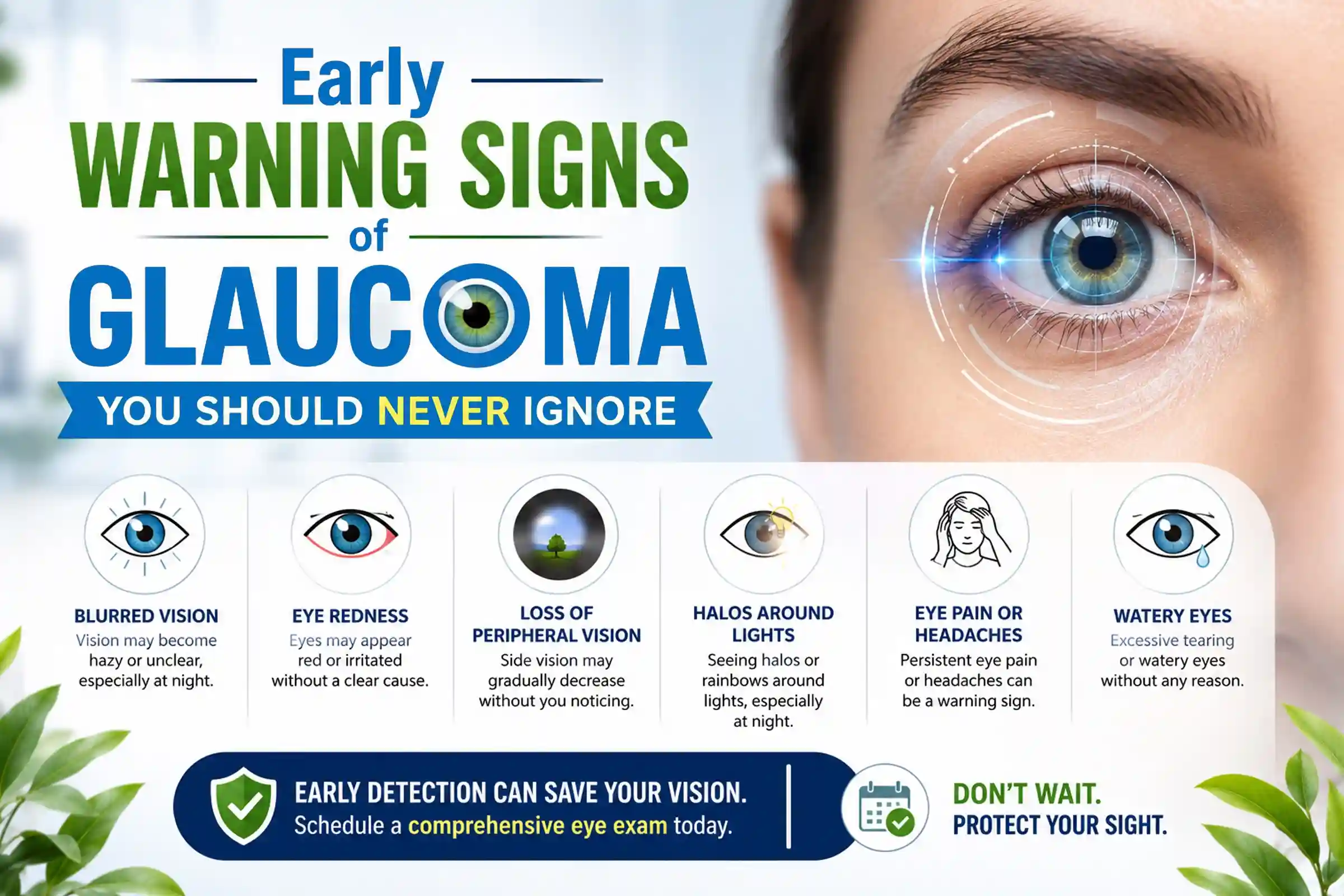
Glaucoma-related vision loss can be permanent, making early diagnosis extremely important.
A person may not notice the gradual loss of peripheral vision because the brain can adapt to slow changes. As the disease progresses, however, visual function can become increasingly affected.
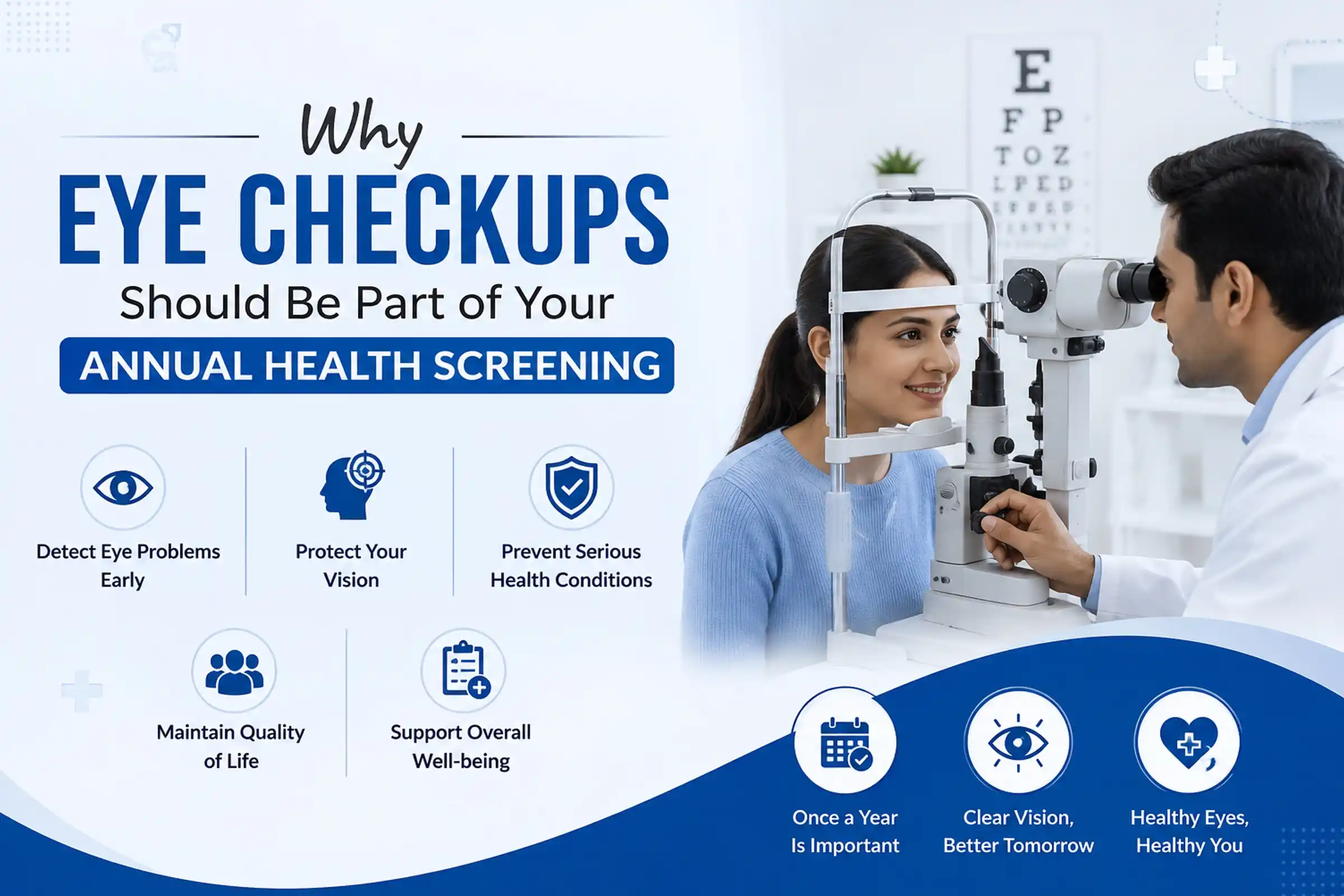
Routine eye examinations are particularly important for people with risk factors such as increasing age, family history of glaucoma, or other conditions identified by an eye specialist.
Can Existing Vision Loss Come Back?
Unfortunately, vision that has been permanently lost because of optic nerve damage from glaucoma generally cannot be restored with current treatments.
However, this does not mean that treatment is pointless.
The primary goal is to protect the vision that remains. Depending on the type and severity of glaucoma, treatment may include medications, laser procedures, or surgery to lower eye pressure and reduce the risk of further optic nerve damage.
Treatment Depends on the Individual
There is no single glaucoma treatment that works for everyone. Some patients may be managed with prescribed eye drops, while others may require laser treatment or surgery.
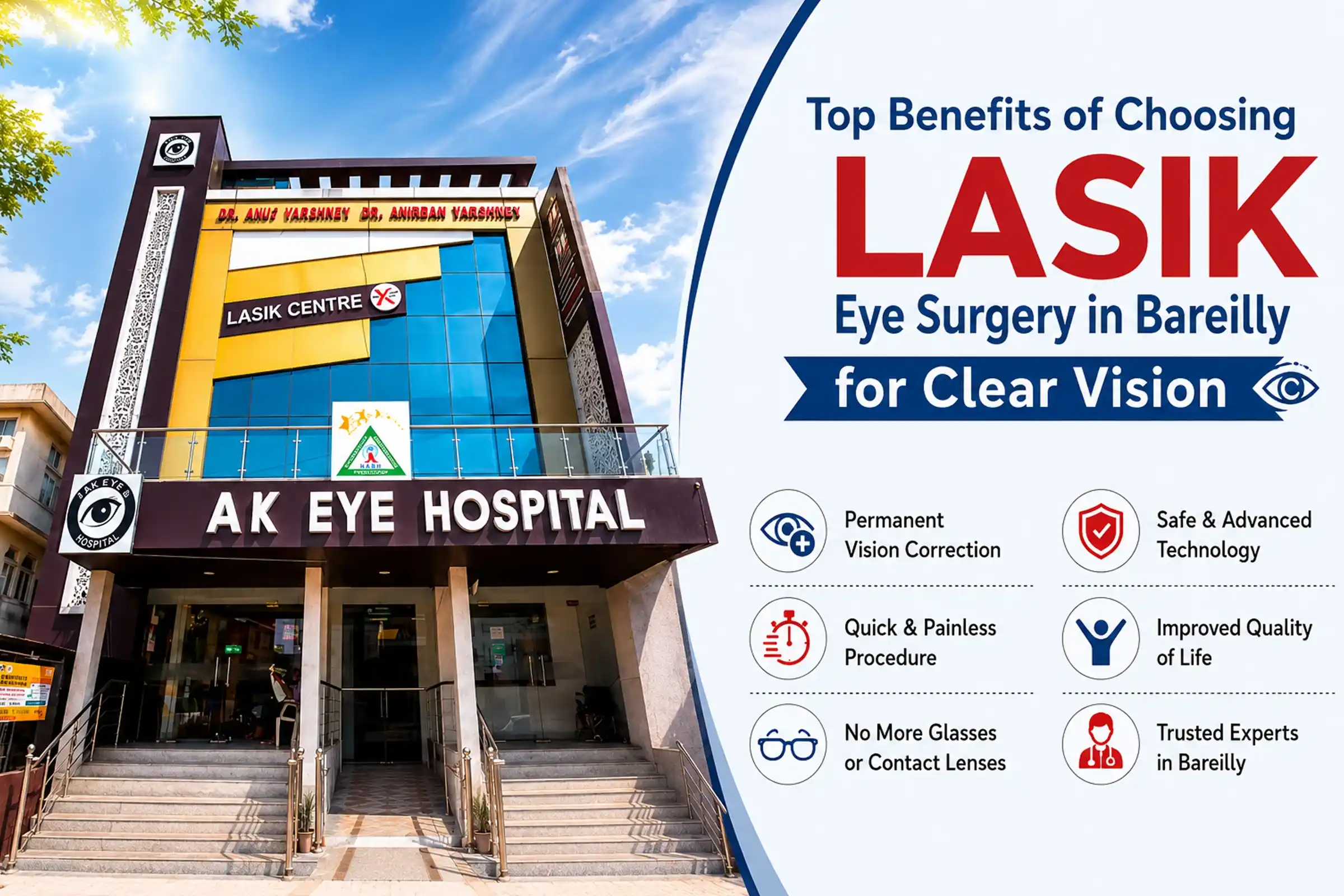
At AK Eye Hospital, glaucoma diagnosis and management involve advanced investigative tools such as visual field testing , OCT, pachymetry, gonioscopy, fundus photography, and tonometry. Treatment options include medicines, lasers, and surgical procedures depending on the patient's condition.
Why Follow-Up Is So Important
Glaucoma is usually a long-term condition that requires monitoring. Even when eye pressure improves, patients should not stop treatment or follow-up appointments without medical advice.
Regular monitoring allows the ophthalmologist to assess whether the disease is stable and whether the treatment plan needs adjustment.
For patients searching for the Best Eye Hospital in Bareilly , choosing a centre with appropriate diagnostic technology and comprehensive glaucoma services can be an important part of ongoing eye care.
Protecting the Vision You Still Have
The most important message for glaucoma patients is not to wait for symptoms. If glaucoma is diagnosed early and managed appropriately, treatment can help reduce the risk of further vision loss.
Patients should take prescribed medicines consistently, attend follow-up appointments, and immediately discuss any significant changes in vision with their eye specialist.
AK Eye Hospital provides comprehensive glaucoma diagnosis and treatment using modern diagnostic and therapeutic technologies.
Although lost optic nerve function generally cannot be brought back, timely treatment can play an important role in preserving remaining vision. If you have glaucoma or are at increased risk, consult an ophthalmologist for an individualized evaluation and long-term management plan.